Corporate Magician for San Francisco Bay Area Companies
Trusted for 15+ years by companies across Silicon Valley
Magician for Corporate Event Entertainment That Engages and Connects
Interactive Show or Strolling Magic
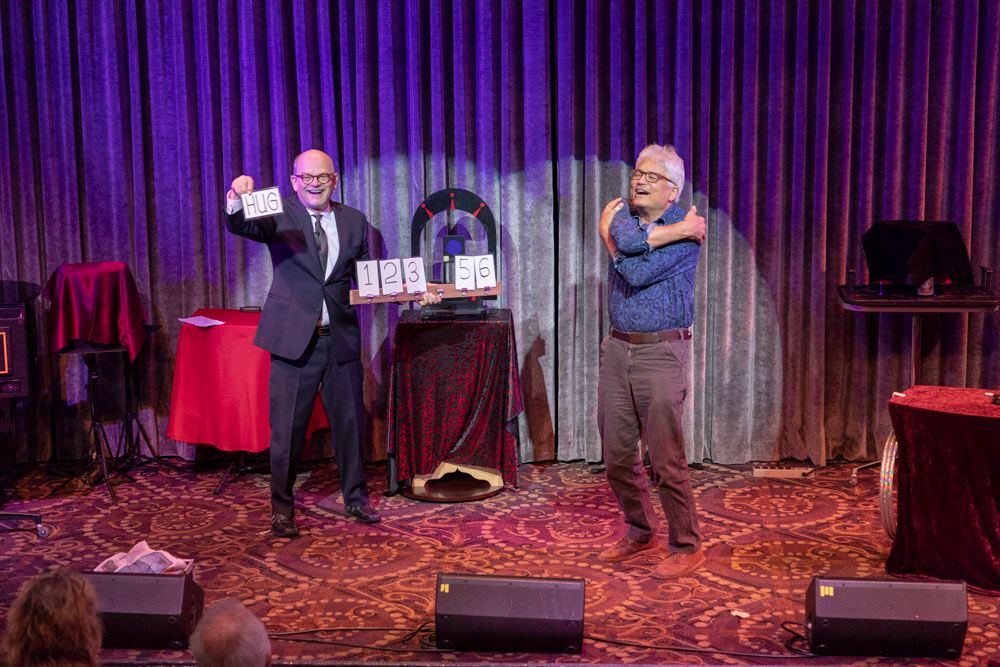
Corporate magician Al Skinner provides an Interactive Show or Strolling: Al’s magic turns passive audiences into active participants, creating shared moments of amazement that spark conversation, connection, and energy throughout your event.
Engaging Audiences
Al Skinner’s magic engages audiences by reading the room in real time and tailoring each moment to the energy of the group, ensuring guests stay involved, attentive, and fully present throughout the event.
Professional Entertainment
Whether it is the After-Dinner Comedy Magic Show or Strolling Magic, AL provides refined, high-caliber entertainment designed for corporate environments, ensuring every detail—from timing to presentation—is handled with professionalism and precision.
Corporate Experience
AL delivers an experience that reflects the standards of today’s corporate environment—thoughtfully crafted, well-paced, and suited for professional audiences at any level. There is no offensive or embarrassing humor.
Corporate Mentalist Entertainment for Bay Area Events
Every event I perform includes something most corporate entertainment doesn’t: real mind reading. Not a magic trick dressed up with a fortune-teller label — genuine mentalism, where I read your team, predict what they’re thinking, and make choices they believed were private the centerpiece of the show.
For a corporate room, that’s a different kind of memorable than a card trick. Executives who’ve seen magic before haven’t usually seen someone read the room itself. It plays especially well in rooms full of analytical, skeptical people — the exact audience a lot of tech and finance teams bring — because the more someone tries to figure out how it’s done, the more invested they get.
What a Mentalist Adds that a Typical Magic Act Doesn't
- It’s personal to the room. Mind reading works because it’s about your people — their thoughts, their choices, their names. A generic card trick could happen anywhere; a mentalism moment could only happen at your event.
- It reads as more sophisticated. For leadership dinners, client-facing events, and award ceremonies, mentalism carries a polish that fits a boardroom crowd without losing the fun.
- It’s built for interaction. Corporate audiences remember what they were part of. Mentalism puts people from the audience directly into the moment being read.
Where Mentalism Fits in the Show
Mind reading isn’t a separate booking — it’s woven through both formats I offer:
- Strolling/cocktail hour: close-up mentalism at the table — quick, personal reads that spread by word of mouth across the room before the sit-down portion even starts.
- Interactive stage show: a mentalism segment built into the full show, where a handful of guests become part of a moment the whole room is watching.
I’ve performed this material for corporate audiences at Meta, Salesforce, Cisco, Kaiser Permanente, and Merrill Lynch, among others — see the full client list below.
From awkward networking to engaged conversations – Al Skinner solves corporate event challenges. Serving across San Francisco, San Jose, Oakland & Silicon Valley.
Types of Corporate Events I Perform At
Bay Area Corporate Magician for Conferences, Holiday Parties & Company Events
SALES KICKOFFS
COMPANY HOLIDAY PARTIES
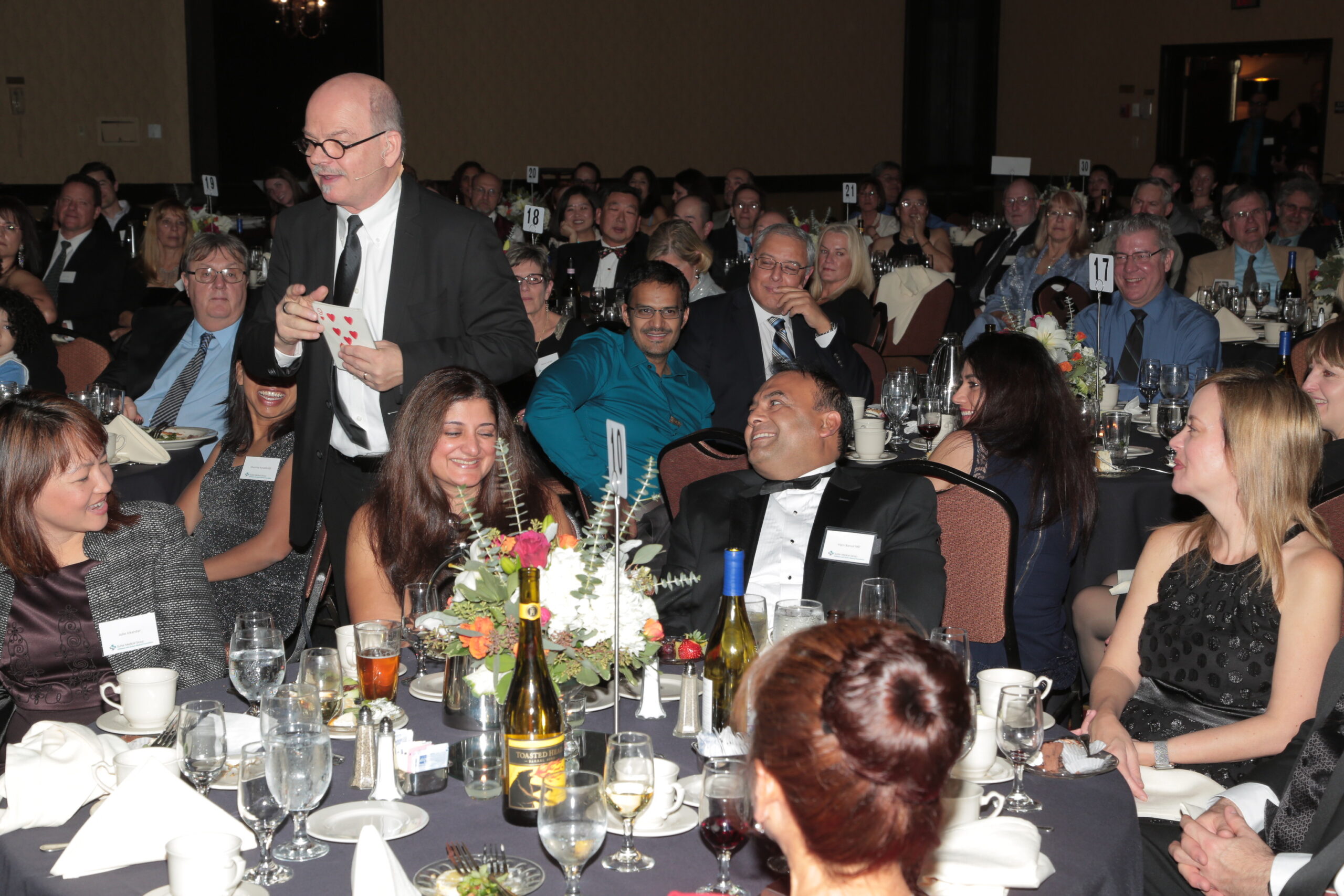
EXECUTIVE GATHERINGS
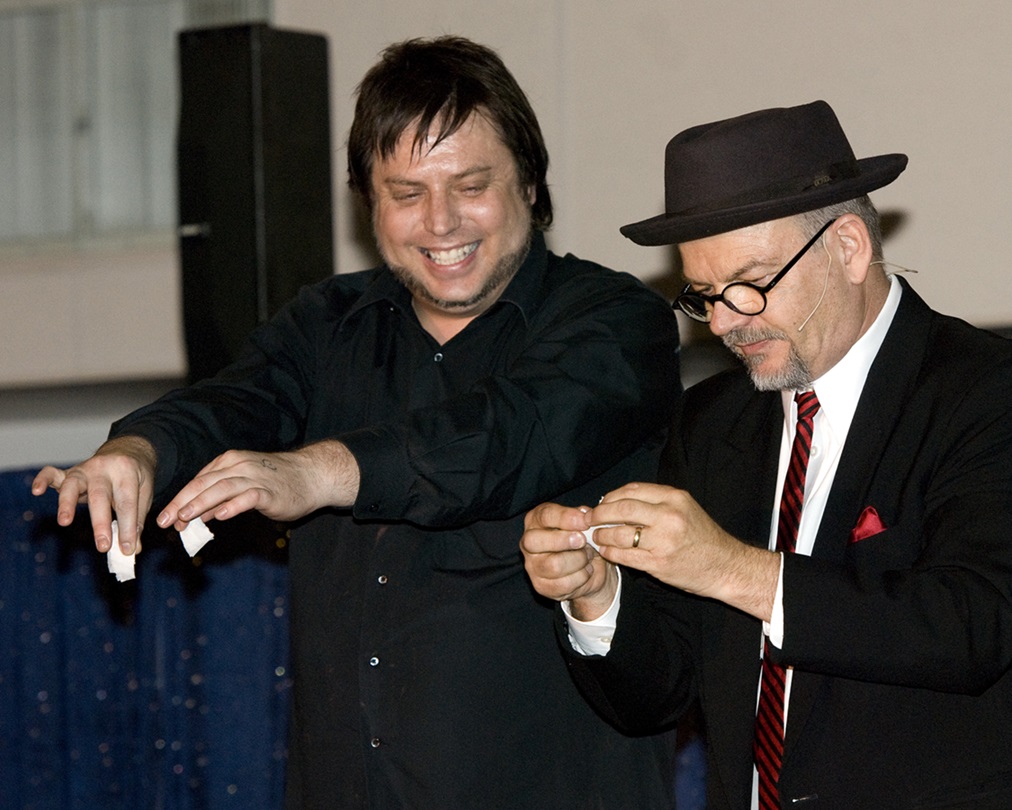
PRODUCT LAUNCHES
COMPANY PARTIES
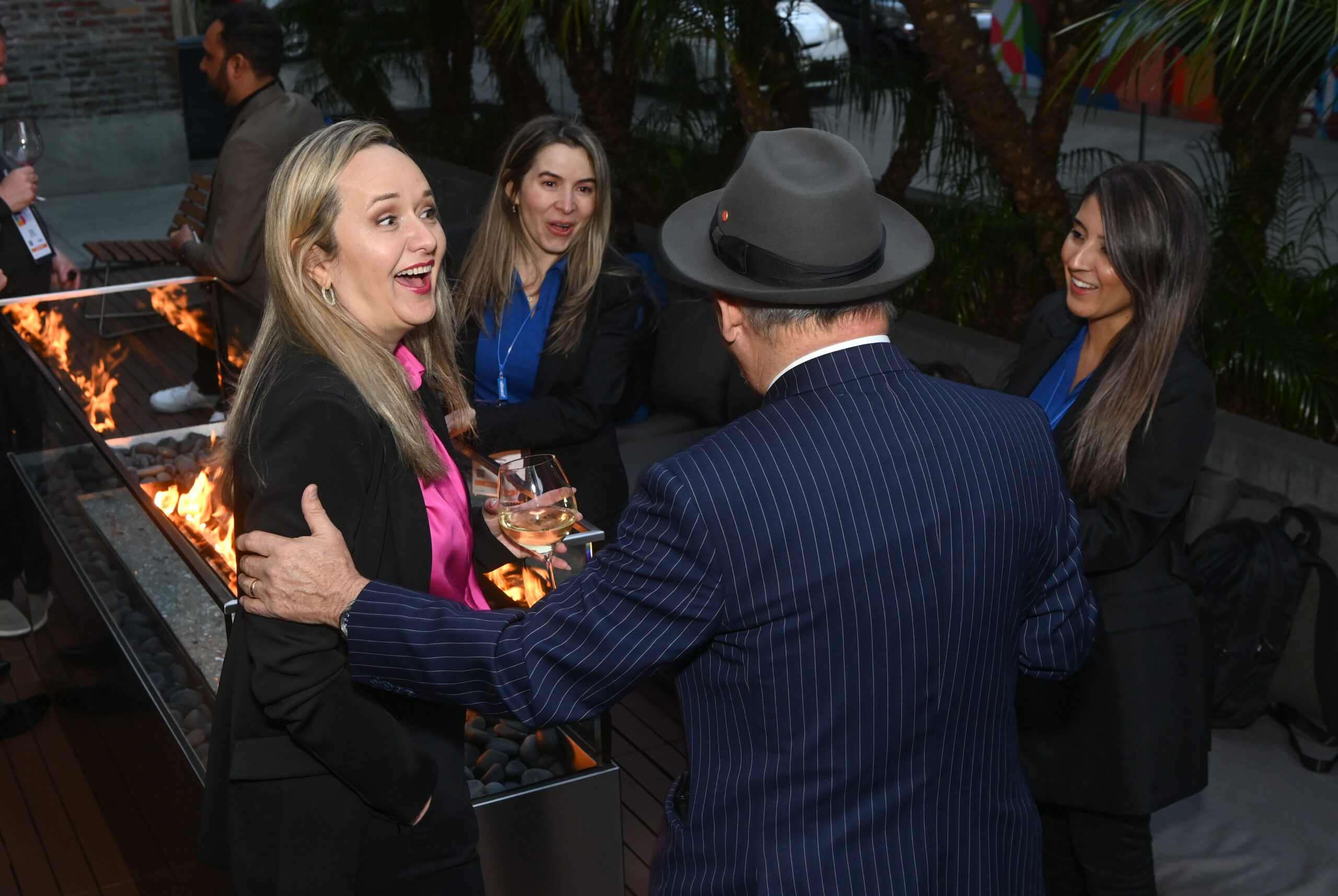
INTIMATE PRIVATE GATHERINGS
Conferences:
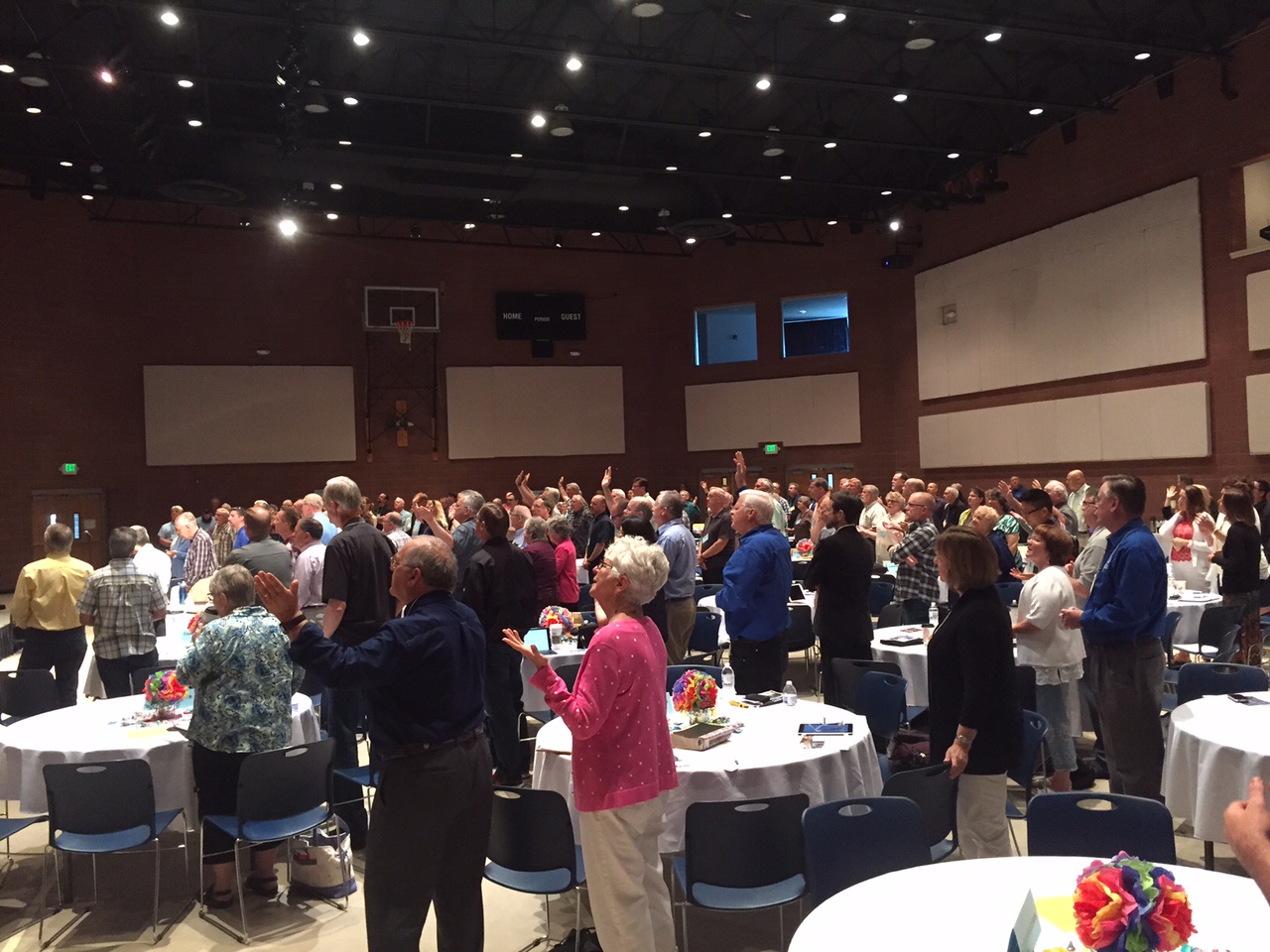
Conference audiences are a tougher room than a party — professional, often tired, and sitting with colleagues and clients at the same time. I’ve spent 15 years learning how to win that room without embarrassing anyone in it. The material is clean, volunteers come out looking good rather than foolish, and the whole thing is interactive rather than stand-and-watch, so your attendees end up part of the story instead of an audience for it. Whether it’s a sales kickoff, a multi-day conference, or a single afternoon session that needs rescuing, the result is a break in the day that people actually bring up afterward.
Client Appreciation & Hospitality Events:
The point of a client event is that the people in the room feel valued, not marketed to. Sometimes that’s a thank-you for the clients you already have. Just as often it’s the private party a company hosts alongside a convention or conference — your best prospects, away from the noise of the exhibit floor, in a room where you finally get to have a real conversation with them. Either way, my job is to make you look good as the host. I give your guests a few minutes of genuine surprise they’ll still be bringing up the next time they see you, and because it’s interactive rather than something they sit and watch, it gives your team and your guests something to share. Which is usually the actual reason you booked the room.
Corporate Holiday Parties:
December is the one night a year a company gets everyone in the same room with no agenda. That’s both a gift and a risk — the same party can be the highlight of the year, or ninety minutes of people checking their watches near the bar. I give the evening a centerpiece: 45 minutes where the whole room is laughing at the same thing at the same time, including the people who came under duress. It works whether you’re replacing a tired tradition that’s run its course, or filling the gap after dinner where nobody quite knew what to do
Team Building:
The best team moments aren’t scheduled, they’re shared. I create something a whole room goes through together — the kind of thing people are still referencing weeks later, long after the trust-fall exercise has been forgotten. There are no breakout groups, no worksheets, and nobody has to perform in front of their manager unless they want to. The quiet people usually end up laughing hardest, which is the part that surprises organizers most.
Executive Retreats:
Executive rooms are smaller, sharper, and quicker to disengage if something feels beneath them. I bring a refined, well-paced experience built for exactly that room — sophisticated enough to suit the setting, genuinely funny enough that senior people stop being senior for an hour, and interactive without ever putting anyone in an awkward position. Nobody is made the punchline, which matters more in a room of twelve than in a ballroom of three hundred.
Conference Entertainment That Resets the Room
Here’s the thing nobody tells you about conference entertainment: the problem is almost never the agenda. It’s hour seven.
By the second afternoon, your attendees have been sitting, listening, and being talked at since breakfast. They’re saturated. And the content you paid the most for is often scheduled right in that window, when the room has the least capacity left to take it in.
That’s the slot I get hired for — not as a garnish on the evening, but as the thing that gets a tired room laughing together and paying attention again, so whatever comes next actually lands.
Where Conference Entertainment Fits In Your Agenda
Booking the wrong shape into the wrong slot is the most common mistake I see:
– The opening reception. Nobody knows anybody and everyone’s checking their phone. Close-up magic works small groups as they form and does the introductions your icebreaker was supposed to do.
– After dinner. The room is fed, seated, and ready to be entertained rather than informed. This is where the full interactive show belongs — 45 minutes of comedy, mind reading, and audience participation to close the day.
– The mid-afternoon reset. The graveyard slot on day two. A short, high-energy set is worth more than another coffee break, because it changes the room’s state instead of pausing it.
– The awards dinner. Recognition nights run long, and the people not collecting an award need a reason to stay engaged. Entertainment between segments keeps the awards landing in a warm room instead of a restless one.
Tell me where it sits in your run of show and I’ll tell you honestly what fits — including if the answer is “you don’t need me in that slot.”
Corporate Holiday Party Entertainment in the Bay Area
Every company wants the same thing from a holiday party: for people to genuinely enjoy it. What most December parties run into is the stretch after dinner — the meal is finished, the speeches are done, and the evening either takes off or quietly dissolves into small groups near the bar while half the room works out when they can decently leave.
That stretch is what I get booked for.
Plenty of companies fill it with a game, and games do work — but only for the people who play them, and someone on your staff always ends up running it instead of enjoying the party. A show pulls in the whole room at once, including the people who came under duress, and nobody on your team has to do anything except watch.
What that looks like: about 45 minutes of comedy, mind reading, and audience participation, with your own people up front being the reason it’s funny. It’s completely clean — no off-color material, nothing political, and nobody is made the punchline. That matters more at a holiday party than anywhere else, because the room is every department, every age group, and often spouses, partners and clients as well.
Fifteen years and more than a hundred corporate events have taught me what a December room actually needs, and it isn’t a performer people politely watch. It’s a shared forty-five minutes that gives everyone something to talk about on the way out — and on Monday.
One Practical Note on Timing
December Fridays & Saturdays book up first, and earlier than most people expect. If you’re planning a party for this December, the conversation is worth having in late summer rather than October. Not to rush you — it’s simply that by autumn the dates still open tend to be the ones nobody wanted.
Fifteen years and more than a hundred corporate events later, the thing that hasn’t changed is this: the best nights are the ones where your people end up being the story, not the entertainment.
So tell me what the room is and what you want the night to do — and I’ll tell you honestly what fits.
* Deliberately echoes the two questions Al actually opens with on a live enquiry (guest count, and what they want the night to do), so the page and the first phone call sound like the same person
Serving corporate events throughout San Francisco, San Jose, Oakland and Silicon Valley
Trusted by Leading Bay Area Companies


Why Bay Area Companies Choose Corporate Magician Al Skinner:
What You Can Expect From Your Event
From Mind-Blowing Magic to Laugh-Out-Loud Comedy – All in One Show!
Al Skinner specializes in interactive corporate entertainment that transforms events from predictable to unforgettable. His performances are designed to engage, captivate, and leave a lasting impression—whether it’s a high-energy audience of 500 or an intimate executive gathering.
What Makes Al Skinner the Best Bay Area’s Go-To Event Magician:

Mind-Blowing Magic & Mentalism – Interactive performances that get executives engaged and employees excited.
Clean Comedy for Professional Events – Smart humor that works for diverse Bay Area corporate clients.
Close-Up Strolling Magic – Personalized entertainment that transforms networking from awkward to amazing.
Customizable for Your Industry – Whether you’re a tech startup in Silicon Valley or Fortune 500 in downtown SF.
Watch The Show (Video)
“This wasn’t just a magic show—it was an experience our employees are STILL talking about!” – Vanessa White/ Apple Inc.
What Makes Al Skinner Different
AL Skinner focuses on creating interactive experiences designed specifically for corporate audiences, combining sharp sleight-of-hand, real-time audience participation, and a natural, conversational style that feels effortless in professional settings.
Known for being easy to work with and highly adaptable, AL fits seamlessly into a wide range of environments—from small executive gatherings and networking events to large conferences and company-wide celebrations.
The result is simple: your guests aren’t just watching—they’re involved, connecting, and walking away with an experience they’ll remember long after the event ends.
Why Hire a San Francisco Bay Area Corporate Magician for Your Event?
Interactive Magic That Breaks the Ice – No more awkward silences.
Professional Entertainment for Any Crowd – From shy engineers to chatty executives.
Reliable Bay Area Event Magician – No last-minute surprises, ever.
Customized for Corporate Culture – Appropriate, engaging, memorable.
Measurable Engagement Results – Attendees talking later.
Trusted by Leading Brands
15+ Years Serving Bay Area Corporations
Engaging Corporate Audiences Like Never Before
From Spectators to Participants: How Corporate Magician Al Skinner has Transformed Many Corporate Events
Vision Service Plan
William Peterson Financial Planning
Redding Chamber
CalAg Solutions
Sutter Health
Genentech
Corporate Events FAQs
What Event Planners Want To Know
What types of corporate events do you specialize in?
I specialize in events such as sales meetings, product launches, client and employee appreciation events
How far in advance do I need to book entertainment?
I recommend booking at least 3-6 months in advance to secure your desired date and allow ample time for customization and planning.
Can you customize entertainment specifically for executive-level events?
Absolutely! I specialize in creating sophisticated, engaging performances tailored specifically for executive audiences, ensuring a memorable and impactful experience
Which Bay Area cities do you serve for corporate entertainment?
I serve the complete Bay Area. Specifically Palo Alto, San Jose, Sunnyvale, Cupertino, Santa Clara, Mountain View, Milpitas, Saratoga,. Fremont, San Mateo, San Francisco, Oakland, just to name a few.
Is your entertainment suitable for diverse corporate audiences?
Yes, my performances are carefully tailored to be culturally sensitive and engaging for diverse corporate audiences, ensuring every attendee feels included.
Can you incorporate our company's message into your performance?
Absolutely—I specialize in customizing performances that reinforce your key messages and event objectives, ensuring attendees remember the experience and your message long after the event.
Do you provide consultations before booking?
Yes, I offer complimentary initial consultations to discuss your event goals, explore entertainment options, and ensure a tailored fit for your specific needs.
Do you perform at corporate events throughout the Bay Area?
Yes. I specialize in the greater Bay Area, but also perform all over Northern California.
Are you experienced in executive-level events?
Yes, my performances are sophisticated and designed specifically for executive-level audiences, ensuring a memorable and professional experience.
Are you familiar with the Silicon Valley corporate culture?
Yes, I worked as an engineer for many years.
What geographical locations do you serve?
I primarily serve the San Francisco Bay Area to Seattle, but I’m flexible and available for events in other locations upon request.
Can I meet you for a demonstration or consultation before booking?
Of course! I offer complimentary consultations to understand your goals, demonstrate the kind of entertainment experience I provide, and ensure we’re a great fit for your event.
How do you measure the success of your performances?
I provide detailed post-event reports including audience engagement data, feedback, and measurable.
Do you do mind reading, or just magic?
Both. Mentalism — real mind reading — is a core part of every corporate show I perform, not an add-on. It’s one of the reasons corporate clients specifically request a mentalist rather than a straight magician.
What's the difference between hiring a magician and hiring a corporate mentalist?
A magician’s tricks are about objects — cards, coins, props. A mentalist’s material is about people — reading thoughts, predicting choices, and pulling real information from the room. I do both in the same show, so you get the visual wow of magic and the personal, talked-about-for-weeks moment of mentalism.
What kind of entertainment works best for a conference?
It depends entirely on the slot. An opening reception is best served by close-up magic that mingles through the room and gets strangers talking. An after-dinner slot wants a full interactive stage show. A mid-afternoon energy dip on day two wants something short and high-energy that resets the room before the next session. Tell me where it sits in your agenda and I’ll tell you honestly what fits.
Can you perform at a multi-day conference or company meeting?
Yes, and it often works better than a single appearance. Strolling magic at the opening reception, a full show after the awards dinner, and a short reset before a tough afternoon session all do different jobs. I’ll build a plan around your agenda rather than dropping the same 45 minutes into whatever slot is free.
What's a good alternative to the usual corporate holiday party games?
A show does what a game is meant to do, without the drawbacks. A game only involves the people who choose to play, and someone on your staff has to run it instead of enjoying the evening. A 45-minute comedy magic and mind reading show pulls in the entire room at once — including the people who’d have sat a game out — and nobody on your team has to organize a thing.